





Archive for the ‘Air Conditioning’ Category

Hagerstown AC Guide: Air Duct Components and Controls

Monday, May 14th, 2012

By way of various types of systems, cool air is distributed through a series of passages called ducts to create comfort and a feeling of luxury so common today we could easily take it for granted.

While the purpose of your Hagerstown air conditioning is to provide invisible comfort, the components under the floor, behind the walls, alongside of the house or up on the roof are very real.

Basic Conditioning

Based on the principal that heat gravitates to cooler temperatures, most systems of air conditioning utilize a process of making a chemical rapidly transform from gas to liquid and back again to absorb and redistribute unwanted heat.  Known as refrigerants, these chemicals are chosen for their properties to expand and contract at low temperatures.  Pressure is added by a compressor or released in coils to accelerate the transformation.

Likewise (and more obviously), heat is produced typically by a controlled flame and transferred to eagerly awaiting air.  In both cases, at an exchange point, the air is conditioned and blowers circulate the air to and from the rooms through the ductwork.

Ducts

Forced air heat in many older homes has ductwork hanging between the joists.  They are commonly made of metal, take up a lot of space and are prone to rattle.  The one big advantage, it was discovered, was that they were all set in place to distribute cool air as well as heat.

Advances in technology have increased the insulation capacities and decreased the sizes of ductwork so that more and more space can be treated with better value and less structural impact.  This is due in large part to the highly efficient heating and cooling systems which are available today.

Enhancing Control

Although the movement of air is fairly simple (creating a “breeze”), efficiency is increased by controls that monitor, increase and decrease the amount and temperature, isolate sections and filters and adjusts humidity.  What began as a simple manual turn of a lever, technology again now makes possible fully automatic control of everything from a remote location with a smart phone.

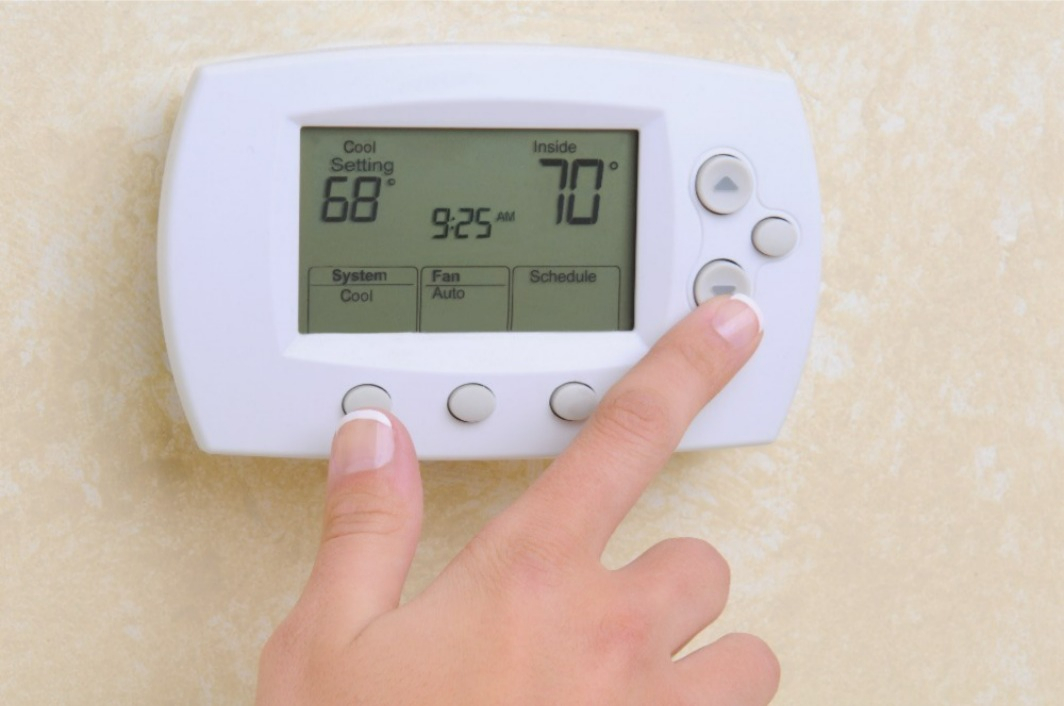
In between are thermostats, dampers, zone controls and relay switches to accommodate all of the many varieties we have found to take care of our most basic creature comfort.

For more information about how to best utilize your Hagerstown air conditioning system, give Larry & Sons Plumbing, Heating & Air Conditioning a call today!

Common Problem Areas for Frederick HVAC Systems

Monday, May 7th, 2012

No one wants to have to call a Frederick AC contractor in to inspect their HVAC system. Problems in heating or air conditioning tend to be costly and time consuming to fix. But, the longer you wait, the bigger the problem is likely to get. So, it’s important to act quickly when you suspect a problem with any of the following common sources in an HVAC system:

  • Power Lines – Your HVAC system uses a lot of electricity so if it stops working, turns off suddenly or frequently shuts down, it may be a power issue. If the system stops working at any point, check your breaker box for a blown fuse or tripped breaker. You should also check the electrical line to your HVAC system. If you see any damage from animals, weather or otherwise, call a professional immediately.
  • Gas Lines – if you have gas furnaces and appliances, gas supply problems can be a major issue for your HVAC system. There are a number of safety measures in place in a gas line system. The gas valve connecting the gas line to your furnace has as safety shutoff switch. Your home has a carbon monoxide detector. A pressure drop in the system will also cause a shutoff. So, the most common problem you would face with a gas line is that is stops providing gas, usually because there is a problem in a component. If this happens, call the gas company immediately to check your system, and of course if you smell a leak, leave the house and call the emergency line for your gas company.
  • Drains – Air conditioners have drain pipes that release the condensed water that builds up inside as they run. However, over time, that drain can clog up if it’s not properly maintained. If you have a central air conditioning unit, check the drain pan once every week or so to make sure it is draining properly. Frequently, this drain pipe will be located higher in your home so that it can drain properly away from the property. Call a Frederick AC professional if it continues to clog or fails to drain at all.
  • Venting – Vent problems can result in more than just stuffy air. Clogged or dirty vents are fire hazards and they can decrease indoor air quality, making it both uncomfortable and unhealthy inside. Vents and ductwork should be cleaned annually to avoid the buildup of debris and sediment. Additionally, you should do a visual inspection once a month to check for debris and vacuum the space where possible.

Most of the problems commonly associated with your HVAC system need to be checked and repaired by a professional. However, by remaining vigilant and checking them regularly, you can avoid a much bigger problem and subsequent repairs. Call Larry & Sons today if you need any HVAC service in Maryland, Pennsylvania or West Virginia.

Your Hagerstown AC: Why it Is Important to Stay Cool

Monday, April 9th, 2012

Ask a hundred people what the primary role of air conditioning in Hagerstown is and I’ll bet you they say “comfort”. We seek out AC to stay cool and beat the summer heat, but did you know your air conditioning is a lot more than just a convenience – it is a safety feature in the midst of heavy heat waves.

Heat Is More than Just Uncomfortable

We tend to think of heat as this massive, uncomfortable inconvenience. In reality, it is quite dangerous. According to the Center for Disease Control, heat waves killed 8,015 people between 1979-2003, more than hurricanes, tornadoes, lightning, earthquakes and floods combined in that time period.

Why is heat illness so dangerous? It comes on quickly and it’s easy to ignore the warning signs, especially when you are already uncomfortable. While hydration is important, the real risk occurs after you’ve become dehydrated – when your body can no longer keep itself cool. This is known as heat stroke and can lead to a number of life threatening conditions, especially for the elderly, infants and those with chronic conditions.

That’s where air conditioning comes in. On the CDC’s extreme heat preparedness webpage, air conditioning is listed as the number one preventative factor against heat related illness. Simply put – if you have an air conditioner, there is a much smaller chance you will get sick from the heat. Dehydration happens less frequently when you’re in an air conditioned environment, meaning that your body can regulate temperature internally and you feel comfortable – not a bad deal for a simple installation.

Staying Cool Is a Medical Necessity

So, air conditioning is about a lot more than just staying comfortable – it’s a health issue. Especially if you have small children or elderly adults in the house or if anyone in your family has a medical condition like obesity, heart disease, mental illness, poor circulation, an air conditioning system is an absolute must during heat waves.

If you have any questions about your home’s system, call the Hagerstown AC professionals at Larry & Sons!

Yard Sign Winner!

Friday, April 6th, 2012

Every month we randomly choose a customer who has kept our yard sign in their yard. Our prize patrol awards the selected customer $100. Congratulations to this month’s lucky winner and valued customer. Want to be in the drawing next month? Contact us to find out how!

Hagerstown | Larry and Sons | Valued Customer

Larry and Sons, Inc. was founded as Corbett Brothers Plumbing and Heating under the ownership of Larry T. and John C. Corbett in the early 1960’s. The brothers took pride in providing the area with quality residential and commercial plumbing, heating, and air conditioning services.

Larry and Sons, Inc. has been a part of the business community of the tri-state area for over 50 years! We are consistent and committed to the residents of our community and realize that our continued success depends upon the satisfaction of you, our loyal customers.


Your Martinsburg HVAC System’s Condensate Drain Line

Monday, April 2nd, 2012

There are a lot of components involved in a properly working Martinsburg HVAC system. One component that many people overlook is the drain line for the air conditioning system. Your air conditioning system has condenser coils that sweat the water drawn from the air in your home as it is cooled by your AC unit. These coils produce a significant volume of water, especially when it humidity is high, so a condensate drain pan is installed to capture the moisture and keep it from damaging your home.

A drain line from the drain pain out of your home is required to transfer all that extra water, but it can easily become clogged by debris in the area or simply from heavy condensation. If this happens, the drain line might need to be cleared or even replaced.

Inspecting your Condensate Drain Line

Full inspection of your drain line involves checking quite a few components, so I will point you to Inspectapedia for a thorough rundown of what you should look for (and some pictures to show you what you don’t want to see). But, in short, you want to look for evidence that your condensate drain is overflowing or that the liquid in your drain pan is backing up into the air handler.

You may also notice that there is no liquid coming out of the condenser – a sign that there may be a major problem in the system that needs immediate inspection. If this happens, make sure you check for blockages and if nothing is present, call a Martinsburg air conditioning contractor.

Cleaning Your Drain Line

Each year, it is recommended that you clean your drain line to make sure it is clear and ready for the summer’s heavy cooling and high humidity. The simplest way to do this is to disconnect the drain line and attach a hose to blow the line clear. This can get a little messy, so make sure you dress for the occasion. Another option if you have a wet/dry vac is to attach the hose to the end of the drain line and suck free any moisture still in there. Most wet/dry systems have attachments for drain line clearing or you can order one.

If your drain line is not clearing properly or you think there may be structural damage suffered during the winter, call Larry & Sons for a more thorough inspection. If you have regular maintenance done on your AC system each spring, this should be part of the process so make sure you write down any questions you have for when the contractor visits your home.

Waynesboro Air Conditioning Tip: What to Do Before Turning on AC for First Time

Monday, March 26th, 2012

The weather is starting to heat up and you are eager to flip the switch on your Waynesboro air conditioning system for the first time. It’s been sitting there since spring, waiting to be used, but now you wonder if there are any tasks that should be completed before its first use. Depending on the type of system you had installed there are a few things you should keep in mind before you cool down your house. They include:

  • Outdoor Cleaning – First, make sure the outdoor unit (if you have a central AC system) is cleaned up nicely. Clear away any leaves, remove the cover and check the system for any growth or debris that might have gotten under the cover. Check the air supply registers to make sure they are open and either replace or clean your filters depending on whether they are permanent or disposable.
  • Check Your Thermostat – The thermostat should be checked before you start using the system. To do this, set the system to Auto-cool and then lower the thermostat setting to one degree lower than the actual temperature in the room. If the system turns on, the thermostat is working properly. Let it run for a few hours to make sure this stays consistent.
  • Clear Away Winter and Spring Dust – Now that your system is running, make sure you check the filters for any buildup of dust that was in the ductwork. Over the off season, your ducts might develop a layer of dust and debris, especially if your heating system doesn’t make use of them. The filters might clog quickly as a result.
  • Check for Water Leaks – Your condensate overflow drain should work properly as well – check for any potential leaks during the first 48 hours of operation. Even a small leak should be checked immediately to avoid potential problems as summer cooling season kicks in.

If you notice any problems other than those listed above, you should call a Waynesboro heating and cooling professional immediately. Ideally you will have your system inspected in early-mid spring to ensure it is ready for the summer, but even so problems can develop between inspection and first running. Electrical issues especially should be checked immediately.

To schedule your spring maintenance appointment for your air conditioner, please give Larry & Sons a call today!

Mercersburg HVAC Repair Question: What Is Refrigerant Pressure and Why Does it Matter?

Friday, January 20th, 2012

Refrigerant is often called the “lifeblood” of mechanical heating and cooling devices like the heat pump and air conditioner in your Mercersburg home.  The main function of refrigerant is to transfer heat through a closed loop system. Various heating and cooling (HVAC) components require different operating pressures to move refrigerant and process the “refrigeration cycle.”

In a nutshell, the refrigeration cycle involves refrigerant, which changes from a liquid to a vapor and back to a liquid again by the addition of pressure and heat. In a refrigeration system, pressurized refrigerant passed through an expansion valve into an evaporator and pressure is reduced. The evaporator is a tube which passes by the area to be cooled. When the pressure drops, this liquid refrigerant changes into a vapor, which absorbs vaporized heat from the area around the evaporator. After the heat is absorbed by the refrigerant, it flows to a condenser, where it passes over coils, absorbs heat from the hot vapor, and condenses back into a liquid. The liquid is returned to the compressor and the cycle begins again.

Today’s refrigerants – especially those used in residential applications – are broken down into two different types, labeled R-22 and R-410A. R-22 is made up of a chlorofluorocarbon (CFC) chemical, which has been found to be damaging to the Earth’s ozone layer. It has been replaced by R-410A, which is made up of a hydrofluorocarbon (HFC) chemical and will eventually be phased out by the year 2020. One of the biggest differences between the two are their operating temperatures. HFCs operate at much higher refrigerant pressure.

This change between refrigerants has created some interesting dynamics and challenges for the HVAC trade. Gauges used to check pressure readings have all changed. And mechanical compressors do not operate with a variety of refrigerants, so the compressors and coils need to be swapped out, too. To give you an example, let’s say you are shopping for a new central air conditioner. Chances are, the new air conditioner will run on R-410A. Your old air conditioner ran on R-22. In order to “match” the compressor in the your new air conditioning unit to the existing indoor coil, you will need to replace the coil and the lines running from your outdoor condensing unit to your indoor air handling unit, which is mounted to your furnace.

You don’t have to understand the refrigeration cycle to know that today’s high-pressure HFC refrigerants require different test instrumentation and retrofitted or upgraded mechanical equipment. The change in operating pressure is a small price to pay for a safer environment.

The Preventative Maintenance That Will Save You the Most in Hancock

Monday, September 26th, 2011

Having a high performance, energy efficient HVAC system will save you a good deal of money in terms of your monthly heating and cooling bills for your Hancock home. But that efficiency will not last unless you also take the necessary steps to keep your equipment in good working order. While regular maintenance visits from a professional HVAC technician are an important part of this, there are also several things you can do on your own to keep your equipment running at peak efficiency.

  1. Keep it Clear – The first thing you should do is to make sure that there is plenty of space cleared around your outdoor unit. Whether it is the condenser and compressor for your air conditioning system or part of your heat pump, that outdoor equipment needs to have plenty of space to vent hot air. Also, the space will mean that debris is less likely to develop inside the unit.
  2. Clean the Condensing Coil – While your technician will do this when they make their annual visit, it is best to clean your coil more than just once a year. Just make sure that the power is turned off to your unit before you begin. This will help the unit cool air more efficiently and can prevent a whole host of other problems from developing.
  3. Check on the Blower – If your blower is not working right or the blade is clogged, your HVAC unit will not work properly. Make sure your blower fan is free of all debris and that is turns freely once you have cleaned it. If you are still having a problem with it, you may have to call a technician for repairs. Cleaning the blower out on a regular basis, however, should keep this from becoming a problem you need a professional for.
  4. Air Filters – You should also make sure you change your air filters regularly. This can help to keep your indoor air clean and healthy and it will also enable your HVAC system to run more efficiently.
  5. Clean it Out – Clean out any debris that you can reach from any part of your system. Just make sure any time you work inside your HVAC system that you have all of the power turned off. Anything from leaves to dust can get in there and cause a problem if it is allowed to build up over time. As long as you are on top of things and keep to a regular schedule of maintenance, none of this should take you very long.

Key Components for Annual Maintenance of Your HVAC System: A Guide From Martinsburg

Monday, September 5th, 2011

Annual service checkups are an important component of your HVAC system’s ongoing operation in your Martinsburg home. Without these checkups, the system may not run properly when the hottest days of the summer are upon you. While there are some tasks you can perform yourself, most of the vital maintenance tasks need to be performed by a professional annually.

As you look for a contractor to perform your annual maintenance, make sure you find someone who will perform each of the most important tasks listed below for your system each year:

  • Electrical Connections – These should be tightened, tested and replaced as necessary.
  • Thermostat – A professional thermostat calibration ensures the system runs at the right temperature throughout the summer.
  • Control Panel – The control panel is checked for error codes and recalibrated to ensure it continues running as intended for another year.
  • Blower Parts – The fan and motor are checked and serviced as needed. Replacement parts are installed.
  • Condenser Coils and Evaporator – Both are cleaned and checked for signs of wear. Any bent coils are repaired.
  • Gas Connections – An inspection of your gas lines, if applicable, is made. Additionally, if you have electrical components, they will be checked for damage.
  • Exchanger and Combustion Components – If you have a packaged system, these are checked for the entire system.
  • Refrigerant Check – If you have a refrigerant filled air conditioning system, it will be checked to ensure levels are high enough for another summer.
  • Air Filters – While you can do this yourself each month, a professional will check permanent and replaceable filters for wear and tear.
  • Moving Parts – All moving parts are inspected, oiled, and checked for damage. If a part needs replacement it is done now to avoid future problems.

Good annual maintenance is necessary to keep your system running smoothly year round. While there are plenty of cleaning tasks you can perform each month, the most important tasks are those performed by your contractor.

If you are interested in learning more about how maintenance will be performed on your system, call your local contractor today.